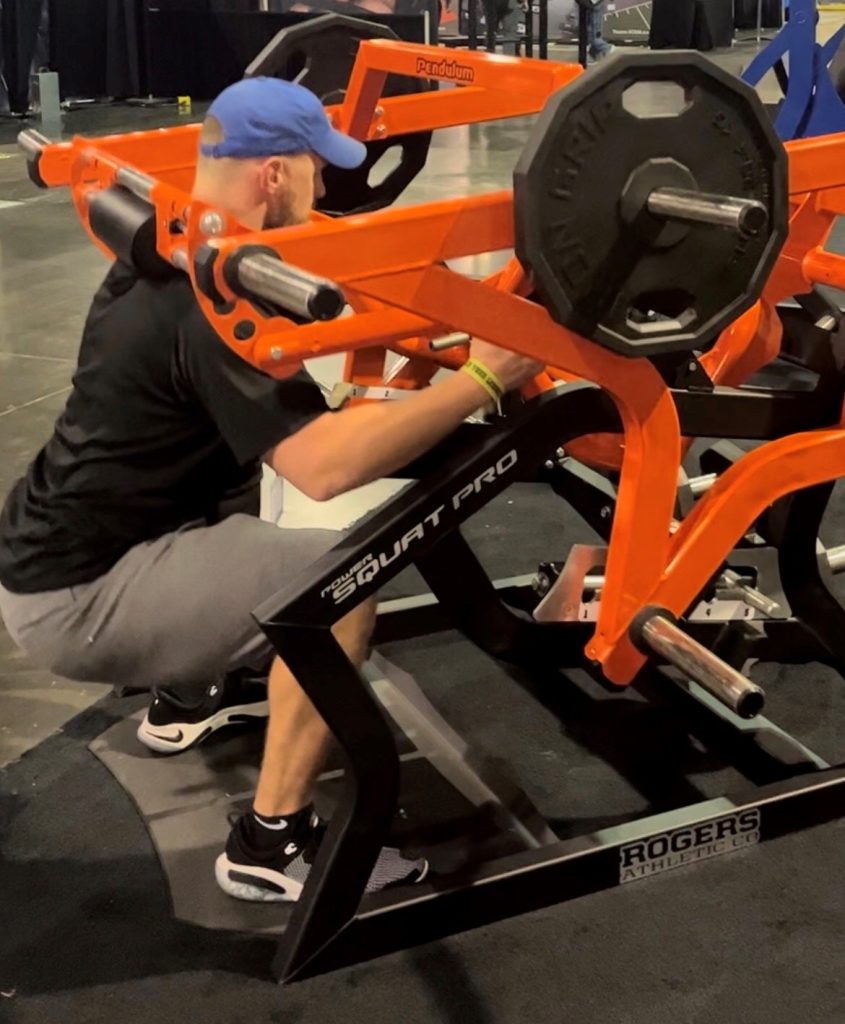
Bicep femoris, semimembranosus and semitendinosus are the three muscles that collectively are the hamstrings. Located on the back of the thigh their function is to flex the knee, extend and rotate the hip. The hamstrings play a critical role in the reduction of the most prevalent time-loss injuries in sport, that is trauma to this muscular region.
Numerous studies indicate that eccentric training has an important role in the reduction of sport related hamstring injuries and the improvement of the muscular strength of this bodily structure.
The following are a few of the many studies:
North America Journal of Sports Physical Therapy, A Systematic Review of the Effectiveness of Eccentric Strength Training in the Prevention of Hamstring Muscle Strains in Otherwise Healthy Individuals,
International Journal of Environmental Research and Public Health, Effects of Different Hamstring Eccentric Exercise Programs on Preventing Lower Extremity Injuries: A Systematic Review and Meta-Analysis are of the many studies that delves into injury reduction.
Journal of Athletic Training, The Effects of Eccentric Training on Biceps Femoris Architecture and Strength: A Systematic Review With Meta-Analysis
American Journal of Sports Medicine, Evidence-Based Hamstring Injury Prevention and Risk Factor Management: A Systematic Review and Meta-analysis of Randomized Controlled Trials
Eccentric training is emphasizing the lengthening portion of exercises, as well as slowing down the associated movement. There are many ways a coach or trainer may suggest applying eccentric strength training to the hamstrings; Forced Repetitions, 2 Up 1 Down, Negative Only Training and Super Slow Training are a few of the systems utilized during weight training.
Reduce the risk of injury – include eccentric exercise as part of an athletes training regime.

Eccentric training on the Pendulum Prone Leg Curl